
June 17, 2026
Embarking on a residential transformation journey is an exciting venture that promises to breathe fresh life into familiar spaces. For many individuals, the desire to update a dwelling stems from evolving lifestyle needs, aesthetic preferences, or the natural wear that occurs over years of joyful occupancy. However, a successful renovation does not happen by accident. It requires meticulous preparation, clear communication, and a realistic understanding of the schedules involved. Homeowners frequently underestimate the duration of the planning phases, assuming that the physical construction represents the bulk of the timeline. In reality, the groundwork laid before a single hammer is swung dictates the ultimate success of the venture. This comprehensive guide details the essential phases of a residential overhaul, helping you navigate the process with confidence and clarity.
Understanding the broader market landscape can help contextualize your own property goals and expectations. According to Ruby Home, kitchens and guest bathrooms are the most popular upgrades, with 24% of homeowners renovating each in 2024. These highly utilized spaces demand significant attention because they involve intricate plumbing, electrical configurations, and surface finishes. Recognizing that these specific areas require extensive coordination allows individuals to approach their scheduling with appropriate patience. Whether you are focusing on these common spaces or reimagining your entire floor plan, establishing a structured sequence of events ensures that your expectations remain aligned with reality throughout the entire transformative process.
The timeline itself is a fluid entity, influenced by material availability, labor sourcing, and the complexity of your structural goals. By breaking down the process into distinct, manageable segments, you can maintain control over the momentum of the project. Preparing yourself for the typical duration of each phase reduces anxiety and minimizes the risk of making rushed decisions. True organization involves a collaborative effort, combining your personal vision with the technical expertise of industry professionals who understand how to guide a concept from a simple sketch to a beautifully completed reality.
Outline Initial Project Goals
The very first step in any residential transformation involves defining your objectives and establishing a realistic financial boundary. Homeowners must reflect deeply on how they utilize their current spaces and identify the specific limitations they wish to resolve. This phase is entirely conceptual, serving as the foundation upon which all subsequent choices are built. It involves gathering inspirational imagery, listing non-negotiable features, and determining the overall aesthetic direction of the property. Taking the time to clarify these details early prevents costly changes of mind later in the schedule, saving both time and resources.
During this exploratory stage, connecting with specialized professionals can significantly sharpen your vision. Consulting with local interior designers allows you to explore spatial possibilities that you might not have considered on your own. These experts possess the unique ability to assess architectural potential while keeping a close eye on functional daily needs. Engaging in conversations about your aspirations during this preliminary window helps establish a clear scope of work, ensuring that your dreams remain tethered to practical spatial realities before any official commitments are made.
Develop Detailed Design Concepts
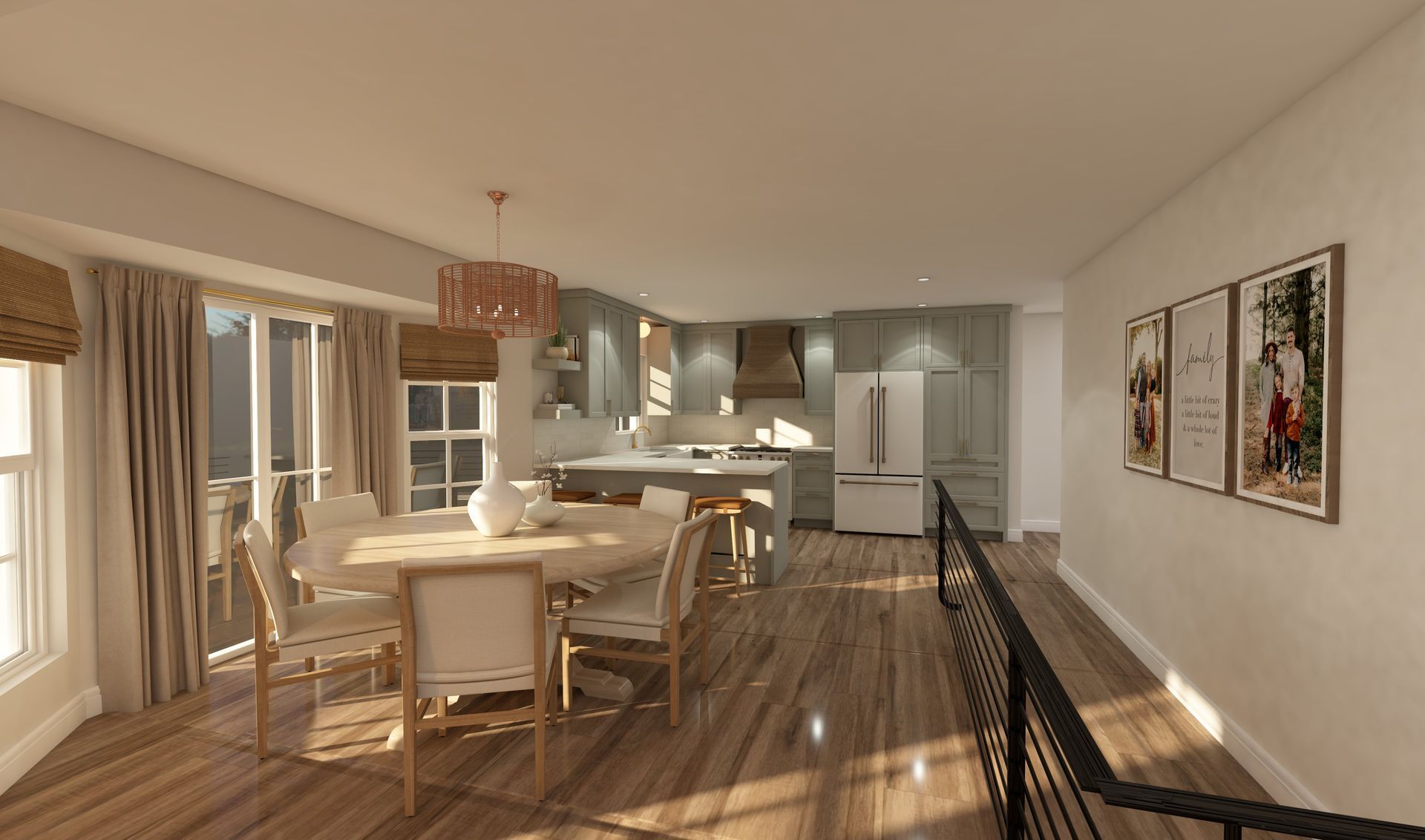
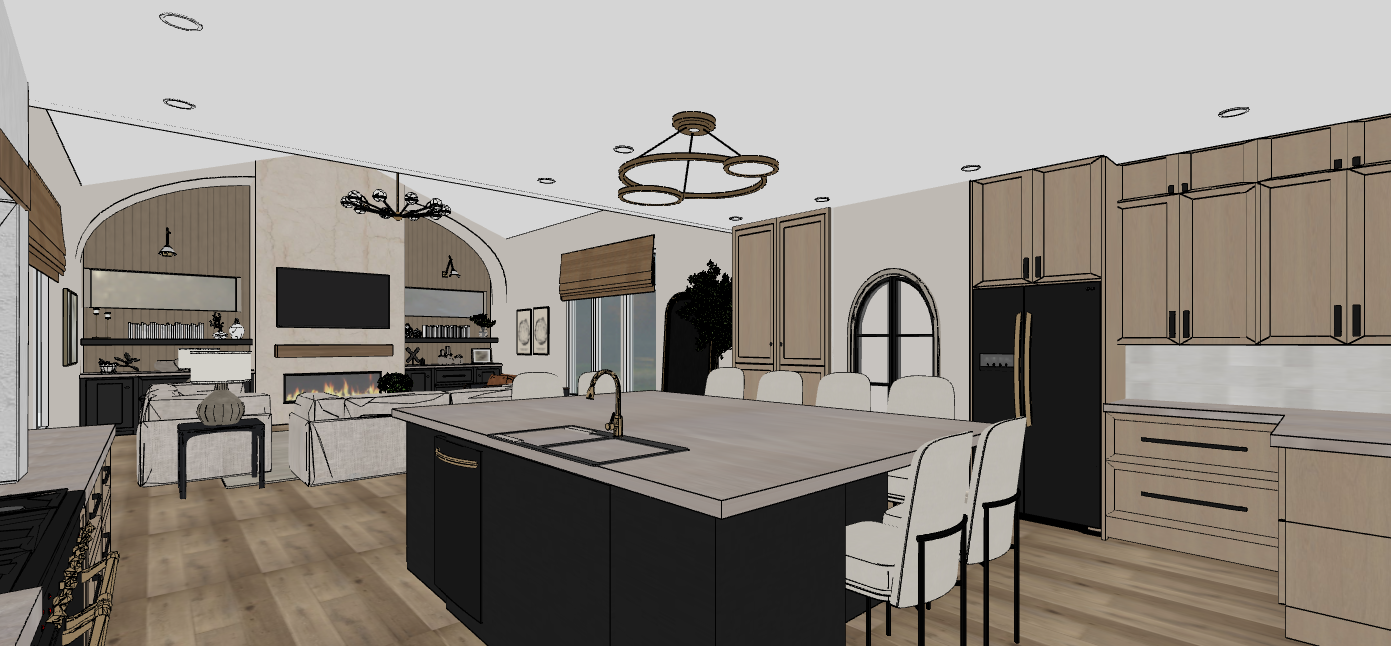
Once the initial goals are set, the project moves into the phase of technical development and artistic refinement. This is where abstract ideas transform into precise spatial layouts, color palettes, and material selections. Professionals generate detailed floor plans, structural elevations, and digital renderings to provide a clear visualization of the proposed changes. Every element, from the placement of light fixtures to the texture of the flooring, is carefully scrutinized. This meticulous attention to detail ensures that the final environment feels cohesive, balanced, and perfectly tailored to your personal aesthetic.
Collaborating closely with local interior designers during this phase guarantees that the chosen materials complement the architectural style of the home. These design professionals manage the delicate balance between beauty and durability, suggesting appropriate finishes that can withstand the demands of your household. This phase often requires several weeks of back-and-forth communication as options are weighed, adjustments are made, and specifications are finalized. Securing approval on these detailed plans is a major milestone, signaling that the project is ready to move toward administrative preparation.
Secure Mandatory Structural Permits
With finalized blueprints in hand, the administrative phase of the renovation begins. Navigating local building departments and securing necessary permits is a critical step that cannot be bypassed or rushed. Municipal agencies review the proposed plans to ensure compliance with structural safety guidelines, electrical codes, and zoning regulations. The duration of this phase varies dramatically depending on your geographic location and the current workload of the municipal offices. Patience is essential here, as starting construction without official approval can result in significant legal and financial penalties.
While the paperwork is being processed by local officials, professionals utilize this time to finalize background logistics. Knowledgeable local interior designers often assist in preparing the necessary documentation, ensuring that all architectural details are clearly communicated to the reviewers. This period of waiting is also an excellent opportunity to review the structural integrity of neighboring spaces and prepare your household for the upcoming operational disruptions. Once the official stamps of approval are received, the project gains the legal momentum required to transition into physical reality.
Procure Specified Building Materials
Ordering materials well in advance of construction is a vital strategy for maintaining a continuous workflow. In the modern supply landscape, specialty items such as custom cabinetry, imported tiling, and unique light fixtures frequently carry substantial lead times. Procuring these items early ensures that they arrive at the job site before the laborers require them, preventing costly delays. A major mistake made by inexperienced renovators is waiting until a wall is demolished to order the finishes, which often stalls the schedule for months while waiting for shipments.
Managing these logistical complexities requires careful tracking and secure storage solutions. Experienced local interior designers excel at coordinating these deliveries, maintaining communication with manufacturers to verify shipping timelines. They ensure that every component, from the major appliances to the smallest cabinet hardware pieces, is accounted for and inspected upon arrival. Having all necessary materials safely stored and ready for installation creates a seamless transition between the preparatory phases and the active physical labor on site.
Execute Physical Construction Phases
The arrival of the construction crew marks the beginning of the most dynamic and visible phase of the timeline. This stage begins with demolition, where old structures, outdated fixtures, and unwanted walls are safely removed from the premises. Following demolition, the framing team establishes the new structural skeleton of the space, followed immediately by trade professionals who install the essential underlying systems. Electricians, plumbers, and climate control specialists work behind the scenes to update the infrastructure, ensuring that the home functions flawlessly beneath its new cosmetic surfaces.
As the underlying systems pass their required intermediate inspections, the crew begins sealing the walls and applying the visible finishes. Drywall is hung, surfaces are painted, and the carefully procured materials are systematically installed. Throughout this intense period, local interior designers remain actively involved, visiting the site to ensure that the craftsmanship aligns perfectly with the original design vision.
Selecting the right professional allies is the single most important decision you will make regarding your renovation journey. True collaboration ensures that your lifestyle requirements are honored while respecting the technical demands of the structure itself. At ROAM Design Co, we stand ready to guide you through every step of this exciting process, turning your structural aspirations into a seamless, beautifully executed reality that you will cherish for generations to come.



![New headshots, who’s this??
[ PS - you’re also seeing a sneak peek at what’s to come in the near future… can anyone guess? ]
•
photos: @ambergreenphoto](https://scontent-iad3-2.cdninstagram.com/v/t51.82787-15/564262609_18068519876249663_3448922812855051267_n.jpg?stp=dst-jpg_e35_tt6&_nc_cat=105&ccb=7-5&_nc_sid=18de74&efg=eyJlZmdfdGFnIjoiQ0FST1VTRUxfSVRFTS5iZXN0X2ltYWdlX3VybGdlbi5DMyJ9&_nc_ohc=m5js-M9dAKMQ7kNvwH4PxVL&_nc_oc=AdpYsOMBE2ALV2xrOqkjy2QXE1D2ZzFR3ddYznUYsrUMNATYyIqjnoRl18LD_WDD8I0&_nc_zt=23&_nc_ht=scontent-iad3-2.cdninstagram.com&edm=ANo9K5cEAAAA&_nc_gid=aS-_whTMLqzi4Ha2nG6g9w&_nc_tpa=Q5bMBQJWhOo5wznFciwMDp4bQUL_PgT0qVu0bXXJDhtx00MrmvJ97TPzwnIGYMjGRcbnRlGTFjI2yuQeoA&oh=00_AQLfqrVNsyUtfhNF3QbJUGbWeN0UzQEJ27mNjtaxBTUyiA&oe=6A9BE4F7)


